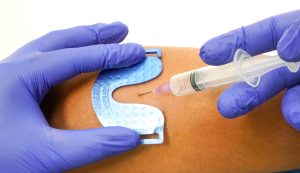
Easing Injection Anxiety in Children: Introducing Numbrella

Injections can be daunting for anyone, but for children, the fear of needles can be especially overwhelming. The mere sight of a needle can trigger intense anxiety, leading to tears, tantrums, and resistance during medical procedures. As caregivers and healthcare providers, it’s crucial to address this anxiety and find effective ways to make injections more tolerable for children. Enter Numbrella – a revolutionary device designed to provide comfort and distraction during medical procedures, offering a ray of hope for children grappling with injection anxiety.

Understanding Injection Anxiety in Children

Injection anxiety in children is a complex phenomenon that stems from various factors, including fear of pain, previous negative experiences, and a lack of understanding about medical procedures. For many children, the fear of needles is not just a passing phase; it’s a genuine phobia that can have a profound impact on their well-being.

Fear of Pain: One of the primary drivers of injection anxiety in children is the fear of pain. Children often associate needles with discomfort and may anticipate the injection as a painful experience. This fear can be exacerbated by previous painful experiences or stories they’ve heard from peers or family members.

Previous Negative Experiences: Children who have had negative experiences with medical procedures in the past are more likely to develop injection anxiety. Whether it’s a painful injection, a traumatic medical encounter, or a perceived lack of empathy from healthcare providers, these experiences can leave a lasting impression on children and contribute to their fear of needles.

Lack of Understanding: Many children have limited understanding of medical procedures and may feel anxious due to uncertainty about what to expect. They may have misconceptions about the purpose of injections or the sensation they will experience, leading to heightened anxiety before and during the procedure.

Age and Developmental Stage: Injection anxiety can manifest differently depending on a child’s age and developmental stage. Younger children may exhibit more overt signs of fear, such as crying or tantrums, while older children may express their anxiety through avoidance behaviors or verbal protests.

Coping Mechanisms: Children may develop various coping mechanisms to deal with injection anxiety, such as distraction techniques, reassurance-seeking behaviors, or attempts to negotiate with healthcare providers. While these coping strategies may provide temporary relief, they may not address the underlying fear and anxiety associated with needles.

Impact on Well-being: Injection anxiety can have significant implications for a child’s overall well-being. It can lead to increased stress and emotional distress, avoidance of necessary medical care, and reluctance to engage in preventive health measures such as vaccinations. Left unaddressed, injection anxiety can negatively impact a child’s physical health and quality of life.

Addressing Injection Anxiety: Recognizing and addressing injection anxiety in children is essential for promoting positive healthcare experiences and ensuring optimal outcomes. By providing education, support, and effective coping strategies, caregivers and healthcare providers can help children navigate their fear of needles and undergo medical procedures with greater ease and confidence. Interventions such as using distraction techniques, providing age-appropriate information, and creating a supportive environment can go a long way in alleviating injection anxiety and promoting a positive healthcare experience for children.

How Numbrella Can Help

Numbrella is more than just a device; it’s a game-changer in the realm of injection anxiety management for children. This innovative solution works by providing distraction and comfort during medical procedures, effectively minimizing the sensation of pain and anxiety associated with needle pokes. With its gentle touch and reassuring presence, Numbrella acts as a shield against the fear of needles, transforming what was once a dreaded experience into a more manageable one for children and their caregivers.

The Numbrella Experience: Comfort and Reassurance

Imagine a world where children no longer fear injections – where medical procedures are met with calmness and confidence instead of fear and resistance. That’s the promise of Numbrella. By offering distraction and comfort, Numbrella empowers children to face their fears head-on, allowing them to undergo injections with greater ease and resilience. Whether it’s a quick vaccine or a blood draw, Numbrella is there to lend a comforting touch, making the entire experience more tolerable for young patients and their caregivers alike.

Empowering Caregivers and Healthcare Providers

For caregivers and healthcare providers, Numbrella is a valuable tool in their arsenal for managing injection anxiety in children. By incorporating Numbrella into medical practices, caregivers can create a more supportive and compassionate environment for young patients, fostering trust and cooperation during medical procedures. With Numbrella by their side, caregivers and healthcare providers can help children overcome their fear of needles and pave the way for a more positive healthcare experience.

A Brighter Future with Numbrella

Injection anxiety in children is a significant concern, but with solutions like Numbrella, there’s hope on the horizon. By addressing the root cause of fear and discomfort, Numbrella empowers children to face medical procedures with confidence and resilience. As caregivers and healthcare providers, it’s our duty to ensure that every child feels safe and supported during healthcare visits. With Numbrella, we can make that vision a reality and usher in a brighter, fear-free future for our young ones.

Get your Numbrella, at White Lotus. Contact us to find out where you can get your Numbrella.

Addressing Malnutrition in Infants Born with Cleft Lip and Palate

Malnutrition remains a pressing concern for infants born with cleft lip and palate, a complex congenital condition that impacts both their physical health and their ability to receive vital nutrients during their crucial developmental stages. In this extensive guide, we delve deeply into the multifaceted issue of malnutrition in babies with cleft lip and palate, exploring the underlying causes, potential consequences, and cutting-edge strategies for prevention and management. Furthermore, we will shed light on White Lotus, a pioneering company at the forefront of developing innovative feeding apparatuses tailored to the specific needs of these infants.

Understanding Cleft Lip and Palate

Cleft lip and palate are intricate congenital anomalies characterized by a gap or fissure in the upper lip and/or the roof of the mouth (palate). This congenital condition arises during early embryonic development when the tissue responsible for forming the lip and palate fails to fuse properly. The severity of the condition varies, ranging from a minor notch to a substantial gap that affects facial appearance, speech articulation, and, most critically, the infant’s ability to feed.

Challenges in Feeding

The journey towards addressing malnutrition in infants with cleft lip and palate begins with acknowledging the formidable feeding challenges they face. The presence of a cleft in the palate disrupts the normal suction mechanism required for effective breastfeeding or bottle feeding. As a result, babies struggle to generate the necessary negative pressure for efficient milk extraction, leading to inadequate nutrient intake.

However, it’s not just about the mechanics of feeding. The heightened risk of aspiration, wherein liquids may be unintentionally inhaled into the lungs due to the communication between the oral and nasal cavities, further complicates feeding for these infants. This necessitates careful feeding practices, often involving upright positioning and frequent pauses to ensure safe and efficient feeding.

Impact on Nutritional Status

The feeding difficulties associated with cleft lip and palate pose a significant risk of malnutrition in these infants. Malnutrition, a condition where a child’s body doesn’t receive the required nutrients for optimal growth and development, can have cascading consequences. Insufficient nutrient intake during the formative months can lead to stunted growth, developmental delays, compromised immunity, and cognitive impairments that may persist into later life.

Causes of Malnutrition

To comprehensively address malnutrition in infants with cleft lip and palate, it is essential to understand the contributing factors:

Feeding Obstacles: The anatomical challenges in feeding directly translate into insufficient nutrient intake, contributing to malnutrition.

Elevated Energy Expenditure: Feeding a cleft-affected baby requires more energy due to the additional effort expended during the process. This heightened energy expenditure can further hinder weight gain.

Gastroesophageal Reflux: The structural anomalies in the oral and nasal passages elevate the risk of gastroesophageal reflux, a condition where stomach contents flow back into the esophagus, leading to discomfort and reduced appetite.

Extended Feeding Duration: Feeding a baby with cleft lip and palate takes longer, potentially reducing overall intake and causing exhaustion for both the infant and the caregiver.

Prevention and Management

The intricate challenge of combating malnutrition in infants with cleft lip and palate demands a collaborative approach involving healthcare professionals, parents, and caregivers:

Early Intervention: Initiating consultations with pediatricians, pediatric surgeons, or specialized feeding teams before birth is pivotal. This allows for strategic planning and preparation to address feeding challenges proactively.

Tailored Feeding Techniques: Parents and caregivers need access to guidance on appropriate feeding techniques, often involving specialized bottles and nipples designed to optimize feeding efficiency.

Empowering Breastfeeding: Lactation consultants play a pivotal role in assisting mothers who desire to breastfeed. They provide insights into effective positioning and techniques to enhance the breastfeeding experience.

Supplementary Nutrition: Pediatricians may recommend nutritional supplements to ensure essential nutrient intake in cases where the baby’s growth trajectory is at risk.

Surgical Interventions: Surgical correction of the cleft lip and palate is typically performed at a suitable age to enhance feeding efficiency and mitigate aspiration risks.

Systematic Monitoring and Follow-Up: Regular assessments of growth and development are paramount to identify early signs of malnutrition. Feeding plans can then be adapted accordingly.

White Lotus: Innovating for Infant Nutrition

In the realm of infant care and nutrition, a beacon of ingenuity and innovation emerges—White Lotus. With a steadfast commitment to addressing the pressing challenges faced by infants born with cleft lip and palate, White Lotus is at the forefront of developing a revolutionary feeding apparatus that promises to reshape the landscape of infant feeding. This groundbreaking device is poised to be a game-changer, heralding a new era where economic considerations are seamlessly integrated with unparalleled efficacy.

The journey of creating this transformative feeding device stems from White Lotus’ unwavering dedication to the cleft community. As a company, we firmly believe that innovation should be within reach for all, particularly for those facing unique challenges. Thus, our mission is underscored by the duality of delivering solutions that are both economically accessible and astonishingly effective. The upcoming feeding apparatus is emblematic of this ethos, embodying the synthesis of cutting-edge technology and affordability. Our focus on innovation extends beyond the realm of feeding solutions as well.

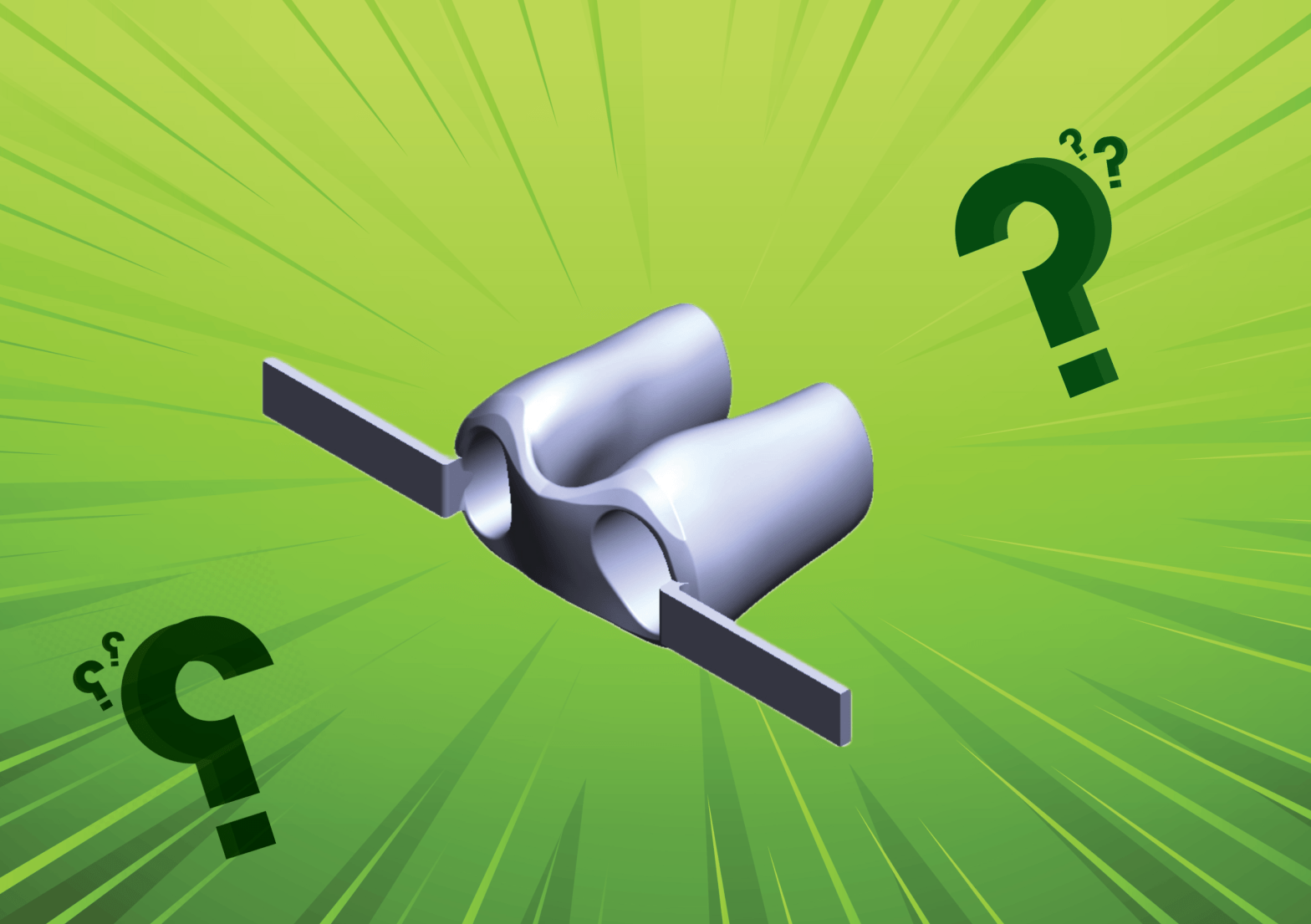
White Lotus takes immense pride in introducing “Nostreal,” a triumphant achievement that has provided resounding success to thousands of infants born with cleft lip and palate. This groundbreaking nostril retainer, aptly named “Nostreal,” stands as a testament to our commitment to innovation and our dedication to enhancing the lives of these special infants. Through meticulous research and development, Nostreal has emerged as a highly successful intervention, making a significant impact on the lives of countless families. This innovative retainer addresses the unique anatomical challenges faced by these infants, offering a path to better breathing, feeding, and overall development.

As we stand on the precipice of a new era in infant care, White Lotus remains unwavering in its resolve to propel the boundaries of innovation and accessibility. We recognize that each infant’s journey is unique, and it is our privilege to walk alongside families, caregivers, and medical professionals to pioneer solutions that nurture, empower, and uplift. With the forthcoming revolutionary feeding device and the resounding success of Nostreal, White Lotus is poised to reshape the narrative of infant nutrition and well-being. Through innovation, compassion, and unwavering dedication, we illuminate a brighter path for infants born with cleft lip and palate—a path where possibilities are limitless, and nourishment knows no bounds.

Conclusion

The complex landscape of malnutrition in babies born with cleft lip and palate underscores the necessity of collaboration among medical experts, parents, and caregivers. Early intervention, specialized feeding techniques, and a nurturing environment are pivotal in mitigating the risk of malnutrition and ensuring these infants receive the essential nutrients crucial for their optimal growth and development. Through innovative companies like White Lotus, armed with expertise and groundbreaking technology, we can collectively strive to provide these remarkable individuals with the best possible start in life. The journey to alleviate malnutrition in infants with cleft lip and palate is ongoing, but with knowledge, dedication, and innovation, we can pave the way for a healthier future.

Nostril Retainers vs. Standard Nasal Packing: A Non-Scientific Exploration of Superior Nasal Care

Within the vast realm of medical advancements, the field of nasal care has undergone a remarkable transformation, epitomized by the emergence of nostril retainers as a cutting-edge alternative to the conventional practice of standard nasal packing. In this comprehensive discourse, we embark upon a scientific exploration of nasal care modalities, delving into the intricate details of nostril retainers and elucidating their myriad advantages over traditional nasal packing.

The Imperatives of Nasal Packing and Its Inherent Constraints:

Standard nasal packing, a venerable technique that has pervaded the medical milieu for decades, entails the insertion of absorbent materials into the nasal cavities for the purpose of hemostasis, support of wound healing, and mitigation of potential adhesions. Although possessing proven efficacy in select contexts, this technique is replete with inherent limitations that have galvanized the pursuit of novel alternatives. The implementation of standard nasal packing often precipitates patient discomfort, pain, and, more significantly, a gamut of potential complications, including infection susceptibility, respiratory obstruction, and displacement.

An Enlightened Departure: The Ascendancy of Nostril Retainers

In the crucible of medical innovation, nostril retainers, known interchangeably as nasal stents or nasal splints, have emerged as a transcendent harbinger of change, poised to supplant the traditional nasal packing paradigm. These elegant, pliable devices represent a veritable synthesis of medical ingenuity and patient-centered care, endowing patients with an array of salutary attributes that set them unequivocally apart from their obsolete precursor.

Ergonomic Comfort and Alleviation of Distress

Nostril retainers are meticulously crafted from biocompatible, malleable materials that seamlessly conform to the intricate contours of the nasal anatomy. As a corollary, patient discomfort is substantially ameliorated, with the concomitant attenuation of irritation, pressure, and distress. Diverging significantly from the aching perturbation associated with standard packing, nostril retainers epitomize an ethos of therapeutic comfort during convalescence.

Ventilation Augmentation and Respiratory Efficacy

An egregious limitation of conventional nasal packing pertains to its proclivity to hamper nasal airflow, thereby potentially engendering respiratory compromise. Nostril retainers, conceived with an astute cognizance of this fundamental exigency, are engineered to uphold patent nasal passages, thereby engendering unimpeded ventilation. This advantageous attribute not only confers patient solace but also augments the healing process through optimized tissue oxygenation.

Bespoke Tailoring and Precision Engineering

Central to the appeal of nostril retainers is their predisposition toward individualized customization, wherein these devices are meticulously tailored to the unique nasal architecture of each patient. This bespoke approach engenders optimal alignment and positioning, a manifest departure from the standard packing’s homogeneous application, which often begets suboptimal anatomical congruence.

Ameliorated Risk Profile

Nostril retainers, distinguished by their unobtrusive configuration and augmented airflow dynamics, inherently engender a diminished proclivity toward infection. The risk of device dislodgment, a ubiquitous concern with traditional packing, is substantially mitigated by the streamlined design of retainers. Consequently, the adoption of nostril retainers augments patient safety while minimizing the likelihood of complications.

Orchestrated Convalescence and Facilitated Healing

Nostril retainers, through their judicious maintenance of a conducive milieu within the nasal cavities, expedite the healing trajectory. By averting nasal adhesions and perpetuating an environment conducive to tissue regeneration, these innovative devices streamline the convalescent process, thereby effectuating expedited recuperation and attenuated reliance on secondary interventions.

Versatility Embodied

Beyond their fundamental role as nasal packing substitutes, nostril retainers manifest a remarkable versatility that permeates diverse medical scenarios. Whether invoked in the context of septoplasty, rhinoplasty, or sinus surgery, these multifaceted devices assume the mantle of indispensability, thereby reaffirming their pivotal standing within the modern pantheon of nasal care.

Conclusion

In summation, the arena of medical progress is perpetually a crucible of transformation, where the reimagining of established paradigms results in the ascendancy of superior modalities. The epochal transition from standard nasal packing to nostril retainers stands as a quintessential exemplar of this evolution, characterized by attributes of enhanced comfort, augmented ventilation, curtailed complications, and orchestrated convalescence. As the proverbial torchbearer of nasal care innovation, nostril retainers illuminate the path toward enhanced patient outcomes and an elevated quality of life for the multitudes they serve.

At White Lotus, we proudly stand at the forefront of this transformative journey. Our meticulously designed NOSTREAL nostril retainers epitomize the pinnacle of medical engineering, representing an unparalleled choice that surpasses conventional nasal packing in some aspects. Embrace the future of nasal care with our NOSTREAL nostril retainers—a resplendent testament to our unwavering commitment to patient well-being and revolutionary healthcare solutions.

Disclaimer: This exegesis is intended solely for informational purposes and is just a thought process on the possibilities of using a nostril retainer in place of nasal packing..…. and should not be construed as medical advice. Consultation with a qualified healthcare professional is imperative for personalized medical guidance and therapeutic recommendations.

The Superiority of Nostril Retainers Developed for Indian Cleft Noses: A Comprehensive Analysis

Nostril retainers play a crucial role in assisting individuals with cleft noses in overcoming the challenges associated with their condition. While imported nostril retainers are available in the market, there are significant advantages to utilizing ones specifically developed for Indian cleft noses. In this detailed blog, we will explore the unique benefits and features of our specialized NOSTREAL nostril retainers, shedding light on why they surpass their imported counterparts.

Customized Design for Indian Cleft Noses: The Nostril retainers we developed for Indian cleft noses are meticulously crafted to suit the unique anatomy and structure of such noses. These retainers take into account the specific dimensions, shape, and contours of Indian cleft noses, ensuring a precise fit that enhances comfort and efficacy. The customized design caters to the diversity found within the Indian population, allowing individuals with varying nasal characteristics to find the perfect fit.

Improved Fit and Comfort: The tailored design of our NOSTREAL nostril retainers offers superior fit and comfort compared to imported ones. By considering the nuances of Indian cleft noses, our retainers mitigate discomfort caused by rubbing, slipping, or excessive pressure. The materials used are carefully selected to provide a soft, hypoallergenic, and skin-friendly experience. This customized fit facilitates ease of use, enabling individuals to wear them for extended periods without discomfort or irritation, thereby promoting compliance and overall well-being.

Optimal Nostril Dilation and scar contracture Prevention: One of the primary purposes of a nostril retainer is to prevent nostril dilation and scar contracture in individuals who have undergone cleft nose correction. Our NOSTREAL Nostril retainers developed specifically for Indian cleft noses excel in this aspect. The precise fit ensures a secure placement, minimizing the risk of slippage and guaranteeing effective nostril dilation and scar contracture prevention. This feature is particularly important for individuals who have undergone corrective surgeries, as it helps maintain the desired aesthetic results and supports proper nasal breathing.

Enhanced Durability: Imported nostril retainers may not always be designed to withstand the diverse climatic conditions prevalent in India. On the other hand, our locally developed NOSTREAL nostril retainers undergo rigorous testing to ensure they can withstand the Indian climate, which ranges from scorching heat to high humidity. The materials used in these retainers are chosen to withstand the high wear and tear of daily use, making them more durable and long-lasting. The improved durability of these retainers reduces the need for frequent replacements, offering cost-effectiveness and convenience to users.

Cultural Sensitivity and Aesthetics: Our NOSTREAL Nostril retainers developed for Indian cleft noses offer a unique advantage in terms of cultural sensitivity and aesthetics. They are designed by individuals who understand the cultural nuances and aesthetic preferences of the Indian population. These retainers are available in a range of sizes and are translucent in colour, making them discreet, which does not attract attention to the user. This attention to detail not only enhances the functionality of the retainer but also promotes greater acceptance and confidence among users.

Accessible Pricing: Imported nostril retainers often come with a higher price tag due to factors like transportation costs and import taxes. In contrast, our locally developed NOSTREAL nostril retainers are more accessible in terms of pricing. The localized manufacturing and distribution processes minimize overhead costs, making these retainers more affordable for individuals in need. This accessibility ensures that individuals with cleft noses in India can access high-quality retainers without facing financial burdens.

Our NOSTREAL Nostril retainers specifically developed for Indian cleft noses offer numerous advantages over their imported counterparts. With their customized design, enhanced fit and comfort, optimal nostril dilation and scar contracture prevention, improved durability, cultural sensitivity, aesthetics, and accessible pricing, these retainers are undoubtedly the superior choice for individuals with cleft noses in India. By opting for our locally developed nostril retainers, individuals can experience enhanced comfort, functionality, and confidence in their daily lives, ensuring a positive impact on their overall well-being.

Understanding Nostril Retainers for Cleft Patients: A Comprehensive Guide

Cleft lip and palate are congenital conditions that affect the structure and function of the face, specifically the lip, palate, and nasal region. Individuals born with clefts often face challenges related to breathing, speech, and aesthetics. Nostril retainers, also known as nasal stents, nasal conformers or nasal prongs, have emerged as an effective tool in the management of cleft patients. In this comprehensive guide, we will delve into the details of nostril retainers, providing a professional and detailed understanding of their purpose, usage, and benefits for cleft patients.

What are nostril retainers? Nostril retainers are small devices designed to support and stabilize the shape of the nostrils in individuals with cleft lip and palate post surgery. They are typically made of soft, flexible materials and are inserted into the nostrils to prevent collapse and narrowing. By maintaining proper nasal architecture, these retainers promote nasal breathing and facilitate the healing process after cleft repair surgery.

Cleft lip and palate conditions often result in nasal deformities and asymmetries, which can affect both the appearance and functionality of the nose. Nostril retainers play a crucial role in the management of cleft patients by:

Supporting the nasal structures: Nostril retainers provide external support to the nasal cartilages, preventing their collapse and maintaining the desired shape of the nostrils.

Promoting nasal breathing: By preventing narrowing and obstruction of the nasal passages, retainers enable proper airflow, improving breathing for cleft patients.

Facilitating healing: Retainers reduce tension on the surgical repair site, allowing for optimal healing and minimizing scar formation.

Aiding nasal development: Nostril retainers help promote symmetrical nasal growth and development, ensuring better facial aesthetics and functionality.

The Timing of Nostril Retainer Usage: Nostril retainers are typically used after cleft lip and palate repair surgery. They are inserted immediately after the surgical procedure and are generally worn for a specified duration recommended by the surgeon. The exact duration can vary depending on the patient’s individual needs and the surgeon’s preference. In some cases, retainers may also be used preoperatively to assist in stretching and aligning the nasal tissues before surgery.

Insertion of Nostril Retainers: Inserting nostril retainers is a simple and painless procedure that is usually performed by a healthcare professional experienced in cleft care. The soft and pliable material of the retainers allows for easy insertion and removal. During the procedure, the healthcare provider carefully places the retainers into the nostrils, ensuring a proper fit and positioning to support the nasal structures effectively.

Comfort and Adaptation: Nostril retainers are designed with patient comfort in mind. They are made from soft and flexible materials that minimize any discomfort. However, it is normal for patients to experience a temporary sensation of having a foreign object in their nostrils initially. This feeling tends to diminish over time as the patient adapts to wearing the retainers. It is essential to communicate any concerns regarding comfort to the healthcare provider to ensure appropriate adjustments or guidance.

Potential Complications: While nostril retainers are generally safe when used as directed, improper usage or prolonged wear can lead to complications. It is crucial to follow the healthcare provider’s instructions regarding insertion, removal, and duration of use. Leaving the retainers in for too long or removing them prematurely can result in nasal damage, infection, or obstruction. Regular follow-up appointments with the surgeon are essential to monitor progress, address concerns, and ensure proper healing.

The Benefits of Nostril Retainers: Nostril retainers offer several benefits for cleft patients, including:

Maintaining and supporting the shape of the nostrils after surgery, contributing to improved nasal aesthetics.

Preventing collapse and narrowing of the nostrils, ensuring unobstructed airflow for optimal nasal breathing.

Facilitating the healing process by minimizing tension on the suture line and supporting proper tissue alignment.

Promoting symmetrical nasal development, which enhances overall facial aesthetics and harmony.

Enhancing the quality of life by improving breathing, speech, and confidence in individuals with cleft lip and palate.

Alternatives to Nostril Retainers: In some cases, healthcare providers may recommend alternative approaches to nostril retainers based on individual patient needs and surgical techniques. These alternatives can include nasal splints, taping techniques, or custom-made nasal devices. The choice of alternative depends on the specific requirements of the patient and the surgeon’s preference. It is usually that when a patient cannot afford a nostril retainer, the surgeon uses a make shift retainer, which could be hazardous to the patient in the long run.

Where do we come in? At White Lotus, We are thrilled to introduce our exceptional NOSTREAL Nostril Retainer, a groundbreaking solution that combines affordability and unrivaled quality. As medical professionals, we understand that we need to strive to provide the best care while considering the financial well-being of our patients. That’s why we are proud to offer the most affordable Nostril retainer in India.
Our NOSTREAL Nostril Retainer is designed to provide optimal support and correction for patients with cleft nostrils, ensuring proper alignment and function. We have spared no effort in developing a solution that meets the highest quality standards, while keeping it within reach for patients from all walks of life.
Not only does our retainer deliver outstanding results, but it also offers a significant cost advantage compared to other options available in the market. We firmly believe that quality care should be accessible to all, and our commitment to affordability sets us apart as the preferred choice for everyone.

To conclude, Nostril retainers play a vital role in the comprehensive care of individuals with cleft lip and palate. By understanding their purpose, usage, and benefits, patients, caregivers, and healthcare professionals can collaborate effectively to optimize outcomes. If you or someone you know is undergoing cleft lip and palate repair surgery, it is crucial to consult with an experienced healthcare provider specializing in cleft care to determine the suitability of nostril retainers and receive personalized guidance throughout the treatment process.

By choosing our NOSTREAL Nostril Retainer, you can confidently provide your patients with a solution that combines affordability, uncompromising quality, and exceptional outcomes. Experience the difference and join us in revolutionizing the accessibility of nostril correction in India.


Invest in affordability without compromising on quality. Choose our NOSTREAL Nostril Retainer and empower your patients with the care they deserve at a price Everyone can afford.

How to Care for Nostril Retainers: Cleaning and Maintenance Tips

The proper management of cleft lip and palate conditions encompasses a multidisciplinary approach that aims to restore both form and function to affected individuals. Within this context, Our NOSTREAL Nostril retainers emerge as indispensable tools in the armamentarium of healthcare professionals, playing a pivotal role in maintaining proper nasal alignment and function. These intricately designed medical devices are custom-tailored to the unique anatomical needs of cleft patients, making their care and maintenance of paramount importance. We are profoundly grateful for your trust in White Lotus’s Nostreal Nostril Retainers. Your choice of our product signifies a commitment to excellence and a belief in the transformative power of cutting-edge medical technology. We extend our heartfelt thanks to you for selecting our retainers to accompany you on your journey towards better health and a brighter tomorrow.

In this comprehensive discourse, we shall delve into an exhaustive array of expert recommendations and insights, illuminating the intricate aspects of nostril retainer care for cleft patients. With White Lotus by your side, you can look forward to a better now and a better tomorrow…

Tip #1: Elaborating on Regular Cleaning Protocols

Ensuring the hygienic integrity and functionality of a nostril retainer necessitates a more detailed exploration of regular cleaning protocols. To embark on this journey of meticulous cleaning, one should consider using a mild, hypoallergenic soap devoid of harsh additives, such as fragrances or dyes. Warm water should be used in combination with this soap, creating a gentle yet effective cleaning solution. A soft-bristle toothbrush or cotton swab can be employed to carefully access and clean all the nooks and crannies of the retainer. The thoroughness of this process is crucial to eliminate any debris, mucous, or buildup that may have adhered to the device.

Tip #2: The Science Behind Avoiding Harsh Chemicals

The rationale behind the avoidance of harsh chemicals in nostril retainer care is rooted in both material science and patient safety. Nostril retainers are typically constructed from medical-grade silicone or similar biocompatible materials. Harsh chemicals like bleach or iodine can lead to material degradation, potentially compromising the structural integrity of the retainer. Moreover, they can cause skin irritation, exacerbating the challenges faced by cleft patients. By adhering to the recommended soap and warm water regimen and steering clear of abrasive chemicals, individuals can ensure the longevity of their retainer and mitigate potential health risks.

Tip #3: Art of Proper Storage

The meticulous storage of a nostril retainer transcends being a perfunctory consideration and, in reality, stands as a fundamental and pivotal facet of its overall care and longevity. The guidance provided by experts in this domain underscores the necessity of not merely placing the retainer haphazardly, but rather housing it within a dedicated container that fulfills specific criteria. Ideally, this receptacle should embody the qualities of cleanliness and dryness to safeguard the retainer from potential contamination and moisture-induced degradation. A container also serves the vital purpose of shielding the retainer from the pernicious effects of direct sunlight and excessive heat, environmental factors that can exact an unwelcome toll on the retainer’s material properties. Furthermore, in the endeavor to uphold the retainer’s structural integrity, it is incumbent upon individuals to proactively designate a safe and secure storage space, thus minimizing the risk of inadvertent loss or inadvertent damage to this invaluable medical device. By embracing these comprehensive storage practices, individuals affirm their commitment to preserving the retainer’s functionality while ensuring its sustained efficacy in facilitating proper nasal alignment and function for cleft patients.

Tip #4: The Science of Scheduled Replacement

The notion of scheduled replacement warrants a deeper dive into the rationale and considerations underlying this recommendation. Nostril retainers, due to constant usage and exposure to external factors, are subject to wear and tear. Over time, they may lose their effectiveness or experience structural changes that impede their ability to maintain proper nasal alignment. The frequency of replacement should be determined through a collaborative effort between the patient and their healthcare provider, accounting for individualized needs, wear patterns, and any changes in the patient’s condition.

Tip #5: Reiterating the Exclusive Nature of Usage

Reiterating the importance of exclusive use assumes a paramount role in the realm of nostril retainer care, transcending mere repetition to underscore a fundamental tenet. This principle is not just a formality; rather, it serves as a poignant reminder of the profound customization intrinsic to nostril retainers. These medical devices are meticulously designed and configured to harmonize with the unique anatomical and physiological nuances of each individual cleft patient. In essence, they represent a tailored solution to a highly personalized challenge.

When contemplating the notion of sharing these intricately crafted devices, it becomes evident that such an act carries inherent risks and potential pitfalls. Notably, the act of sharing can act as a vector for the transmission of infections, a risk that is compounded in the context of medical equipment. Furthermore, the consequence of sharing extends beyond mere infection concerns. It extends to the very efficacy and functional integrity of the retainer.

The tailored fit of a nostril retainer is no arbitrary design feature. It is a crucial element that directly influences its ability to maintain proper nasal alignment and function for cleft patients. Sharing a retainer among multiple individuals introduces variables that can compromise this customized fit, rendering it less effective in fulfilling its intended purpose. This, in turn, jeopardizes the very foundation upon which the retainer’s therapeutic benefits are predicated.

In this light, it becomes abundantly clear that the uniqueness of each cleft patient’s condition necessitates an approach that is inherently individualized. The path to effective cleft care and rehabilitation demands exclusive use of nostril retainers by their respective recipients. This principle embodies a fundamental understanding of the profound intricacies involved in managing cleft conditions, placing a premium on the importance of tailored solutions. Thus, the necessity of exclusive use transcends mere practicality; it embodies a commitment to the principles of personalized healthcare, where each cleft patient’s journey is distinct, and the retainer is an integral part of their specialized care regimen.

Tip #6: A Deep Dive into Sterilization Protocols…The most important Step

The pivotal role of sterilization in upholding impeccable hygiene and ensuring the safety of nostril retainers cannot be overstated. A nuanced and in-depth comprehension of the sterilization process is, indeed, imperative to safeguard both the patient’s well-being and the retainer’s optimal performance. In this regard, it is essential to delve into the intricacies of this process to appreciate its significance fully.

The process of disinfection, a central facet of sterilization, merits a meticulous examination. The prescribed method for disinfecting a nostril retainer involves a careful orchestration of steps. Firstly, the retainer should be subjected to a controlled boil for a duration not less than 5 minutes, adhering to this time frame as a minimum benchmark. However, it is important to underscore the vital role of professional guidance in this context. Healthcare professionals possess the expertise to provide precise recommendations tailored to the specific circumstances of the patient and the retainer’s materials.

Before the commencement of the boiling procedure, a preliminary phase of thorough cleaning using warm water is deemed imperative. This preliminary cleaning endeavor serves as a preparatory step, aiming to eliminate any adherent contaminants that may have accumulated on the retainer’s surface. The meticulousness of this cleansing phase plays a critical role in the overall effectiveness of the subsequent disinfection process.

To ensure a comprehensive and robust disinfection, experts advise the utilization of alcohol-based disinfectants. These disinfectants exhibit a proven track record of effectively neutralizing a wide spectrum of potentially harmful microorganisms. Their compatibility with the retainer’s materials makes them a preferred choice in the realm of medical device disinfection. However, it is imperative to exercise patience and diligence in this regard. Re-insertion of the retainer should be permitted only after the complete evaporation of the disinfectant has transpired, ensuring that the retainer is devoid of any residual chemical traces that could potentially impact patient safety and comfort.

In summation, the process of sterilization, and its integral component of disinfection, represents a linchpin in the overall care and maintenance of nostril retainers for cleft patients. By adhering to the prescribed protocols, individuals and healthcare providers alike can rest assured that the retainer not only maintains its hygienic integrity but also continues to fulfill its pivotal role in facilitating proper nasal alignment and function for those affected by cleft conditions. This dedication to meticulous sterilization processes exemplifies the commitment to patient safety and optimal therapeutic outcomes in the sphere of cleft care.

Tip #7: The Collaborative Role of Healthcare Providers

The consultative role of healthcare providers in nostril retainer care cannot be overstated. These experts can provide invaluable guidance on cleaning frequency, storage best practices, replacement schedules, and any adjustments needed to address evolving patient needs. Establishing open communication with a healthcare provider fosters a proactive approach to care, resulting in optimized outcomes for cleft patients.

A Commitment to Optimal Care

The meticulous care of nostril retainers is an essential facet of promoting their enduring effectiveness and hygienic integrity. By adhering to the comprehensive protocols outlined herein, individuals can ensure that their nostril retainer continues to provide the maximum therapeutic benefits for their cleft condition. This commitment to optimal care not only safeguards the utility of the device but also enhances the overall well-being and quality of life for cleft patients, underscoring the importance of a multidisciplinary approach to cleft care that includes both patients and their healthcare providers.

In conclusion, the superiority of White Lotus’s Nostreal Nostril retainers in the medical device industry is evident in their unwavering commitment to precision, innovation, and patient-centric care. These retainers are not just products; they embody a profound dedication to improving the lives of cleft patients worldwide. The blend of cutting-edge materials, meticulous craftsmanship, and a patient-first approach makes White Lotus stand out as the industry leader.

For individuals facing the challenges of cleft lip and palate conditions, the decision to choose White Lotus’s Nostreal Nostril retainers is a choice for excellence, reliability, and optimal therapeutic outcomes. These retainers are not merely instruments; they represent a commitment to empowering patients to achieve proper nasal alignment and function, thus enhancing their quality of life. From their precise customization to their stringent quality control measures, White Lotus’s retainers are the gold standard in the industry.

Therefore, whether you’re a healthcare provider seeking the best for your patients or an individual navigating the complexities of cleft care, White Lotus’s Nostreal Nostril retainers offer the assurance of excellence and the promise of a brighter, more comfortable future. With these remarkable devices, you’re not just investing in a product; you’re investing in your well-being and the pursuit of a better tomorrow. Join the global community that recognizes White Lotus as the industry leader and experience the difference that their Nostreal Nostril retainers can make in your life.


A guide to finding the right cleft lip and palate team, including information on how to choose a surgeon, speech therapist, and other specialists.

Cleft lip and palate is a congenital condition that affects the lip, mouth, and jaw. It is a complex condition that requires a team of specialists to provide comprehensive care. Finding the right cleft lip and palate team can be a daunting task, but it is essential to ensure that your child receives the best possible care. In this blog post, we will provide a guide on how to find the right cleft lip and palate team, including information on how to choose a surgeon, speech therapist, and other specialists.

The first step in finding the right cleft lip and palate team is to identify the specialists that your child will need. The team typically includes a plastic surgeon, an oral surgeon, a speech therapist, an audiologist, an orthodontist, a genetic counselor, and a social worker. Each specialist plays a crucial role in the care of your child, and it is essential to find a team that has experience and expertise in treating cleft lip and palate.

When choosing a plastic surgeon, it is essential to look for a surgeon who is certified by the Indian Board of Plastic Surgery. The surgeon should also have experience and expertise in cleft lip and palate surgery. It is essential to ask the surgeon about their experience, how many surgeries they have performed, and how they approach cleft lip and palate surgery. You should also ask to see before and after photos of their patients to get an idea of their surgical outcomes. It is also important to ask the age group the surgeon is comfortable working with.

The oral surgeon is responsible for the care of the teeth, gums, and jaw. It is essential to find an oral surgeon who has experience and expertise in cleft lip and palate surgery. The oral surgeon should also be certified by the Indian Board of Oral and Maxillofacial Surgery. You should ask the oral surgeon about their experience, how many surgeries they have performed, and how they approach cleft lip and palate surgery. It is also important to ask the age group the surgeon is comfortable working with.

The roles of maxillofacial surgeon and plastic surgeon overlap. So, either a plastic surgeon or a maxillofacial surgeon should be able to help with the cleft surgery.

Where do we fit in? Our NOSTREAL Nostril retainer/conformer helps prevent post surgical and post traumatic scar contracture of the nostril. In other words, using our NOSTREAL Nasal retainer/conformer post surgery helps in forming and maintaining the shape of the nose. Its unique design, which is based on cutting-edge technology, provides a number of benefits to the patient, including keeping the septum in a vertical position, erasing the memory of the ectopic cartilage, and allowing nasal breathing in the immediate postoperative period without obstructing air flow. It’s simple to sanitize and sterilize, making the post-operative procedure go more smoothly and ensuring consistent results.

The speech therapist plays a crucial role in the care of children with cleft lip and palate. They work with children to improve speech and language skills, and help them to develop the ability to communicate effectively. It is essential to find a speech therapist who has experience and expertise in cleft lip and palate speech therapy. The therapist should also be certified by the Indian Speech-Language-Hearing Association. You should ask the therapist about their experience, how many children with cleft lip and palate they have treated, and what techniques they use to improve speech and language skills.

The audiologist is responsible for the care of the ears and hearing. Children with cleft lip and palate are at risk of hearing loss, and it is essential to find an audiologist who has experience and expertise in treating hearing loss in children with cleft lip and palate. The audiologist should also be certified by the Indian Speech-Language-Hearing Association. You should ask the audiologist about their experience, how many children with cleft lip and palate they have treated, and what techniques they use to improve hearing.

The orthodontist is responsible for the care of the teeth and jaw. Children with cleft lip and palate are at risk of dental problems, and it is essential to find an orthodontist who has experience and expertise in treating dental problems in children with cleft lip and palate. The orthodontist should also be certified by the Indian Association of Orthodontists. You should ask the orthodontist about their experience, how many children with cleft lip and palate they have treated, and what techniques they use to improve dental health.

Although not required, a genetic counselor is helpful for providing information and support to families affected by cleft lip and palate. The counselor can help families understand the causes and risks of cleft lip and palate, and can provide information on genetic testing.

An Introduction to Mental Abuse On Cleft Patients

Mental abuse is a serious and often overlooked issue, particularly in vulnerable populations such as cleft patients. Cleft lip and palate are facial deformities that can occur in infants and children, and can have physical, emotional, and social impacts on those affected by them. Unfortunately, mental abuse is not uncommon among cleft patients, and it can have severe and long-lasting consequences on their mental health and well-being.

One form of mental abuse that cleft patients may experience is discrimination. People with cleft lip and palate may face discrimination from others due to their physical appearance, and this can lead to feelings of shame, self-hatred, and low self-esteem. This type of mental abuse can occur in various settings, such as at school, in the workplace, and even within their own families. It is important for parents, caregivers, and educators to be aware of this issue and to take steps to prevent and address discrimination against cleft patients.

Another form of mental abuse that cleft patients may face is bullying. Children with cleft lip and palate may be targeted by their peers due to their physical appearance, and this can lead to feelings of isolation, depression, and anxiety. It is important for parents, caregivers, and educators to be aware of this issue and to take steps to prevent and address bullying against cleft patients. This may include talking to the child about the issue, seeking help from school officials or other authorities, and teaching the child coping skills to help them handle difficult situations.

It is also important for cleft patients to have access to mental health resources and support, as mental abuse can have serious consequences on their mental health and well-being. This may include therapy, support groups, and other forms of mental health treatment. It is also important for cleft patients to have a strong support system of friends, family, and caregivers who can provide emotional support and help them cope with the challenges they may face.

In addition to discrimination and bullying, cleft patients may also experience mental abuse in the form of pressure to conform to certain standards of appearance. Many people with cleft lip and palate undergo multiple surgeries to correct their facial deformities, and there may be pressure from society or even from within their own families to conform to certain standards of appearance. However, there are expert medical professionals, who specialize in the cleft lip and palate, and can help in providing the best possible surgical help in repairing the cleft lip and palate. NGOs such as Smiletrain and ABMSS are providing medical help to those who are seeking cleft lip and palate repair help. Our device, NOSTREAL nostril retainer / nostril conformer can help in post-surgical cleft lip and palate repair by preserving and maintaining the nose’s corrected position following initial lip and nasal correction, producing a noticeably more pleasing cosmetic outcome.

In conclusion, mental abuse is a serious issue that can have significant impacts on cleft patients. It is important for parents, caregivers, educators, and medical professionals to be aware of this issue and to take steps to prevent and address mental abuse against cleft patients. This may include promoting acceptance and inclusion, addressing bullying and discrimination, and providing access to mental health resources and support. By taking these steps, we can help create a more inclusive and supportive environment for cleft patients and ensure that they have the support they need to thrive.

Superstitions involved in Cleft.

Cleft lip and palate, also known as orofacial clefts, have a long and complex history. Cleft lip and palate are birth defects that occur when the tissues that form the lip and roof of the mouth do not fuse properly during fetal development. These defects can range in severity and may require surgery and other treatments to correct.

Despite advances in medical treatments for cleft lip and palate, many superstitions and myths about these conditions persist in different cultures around the world. Here are a few examples:

  • Cleft lip and palate are caused by evil spirits: In some cultures, it is believed that cleft lip and palate are caused by evil spirits or curses. This belief can lead to feelings of shame and stigma for individuals with cleft lip and palate and their families.
  • Cleft lip and palate can be cured by traditional remedies: In some cultures, traditional remedies such as herbal remedies or rituals are believed to cure cleft lip and palate. However, there is no scientific evidence to support these remedies, and they may even be harmful.
  • Cleft lip and palate are a sign of good luck: In some cultures, cleft lip and palate are seen as a sign of good luck or even a gift from a higher power. While this belief may be well-meaning, it can also lead to a lack of understanding about the challenges and medical needs of individuals with cleft lip and palate.
  • Cleft lip and palate can be prevented by avoiding certain behaviors: Some people believe that cleft lip and palate can be prevented by avoiding certain behaviors or activities during pregnancy, such as eating certain foods or looking at frightening images. However, there is no scientific evidence to support these beliefs.
  • In others, it is believed that cleft is the result of the father’s wrongdoing, such as having affairs or being angry during intercourse. These superstitions often lead to feelings of shame and guilt for the parents of a child with cleft and can result in social isolation and discrimination.
  • Another superstition is that cleft is contagious and can be passed on to other people through touch or contact. This superstition can lead to fear and avoidance of individuals with cleft, which can further contribute to social isolation and discrimination.

It is important to recognize that cleft lip and palate are not caused by evil spirits or superstitious behaviors, and they cannot be cured or prevented by traditional remedies or superstitions. Cleft lip and palate are complex conditions that can be treated with medical interventions such as surgery and speech therapy. If you or someone you know is affected by cleft lip and palate, it is important to seek out reliable medical information and support.

It is important to raise awareness about the realities of cleft and to support those affected by it in order to combat these harmful superstitions and promote acceptance and inclusion, and medical help. Also, using our NOSTREAL Nostril retainer/conformer can help in preventing post cleft repair surgery and post traumatic scar contracture of the nostril.

Is a Nostril Retainer necessary?

Is a Nostril retainer necessary for a post operative cleft surgery?

What would be the need for a nostril retainer for post operative cleft surgery? Well, there were some of the questions when I first encountered the nostril retainer. When I started the journey onto making this product, there were a lot of surgeons on both sides of the fence. Some said that it is useful, while others denied the usefulness. And as always, i had to rely on research articles for answers.

I found an article authored by V K Yeow, P K Chen, Y R Chen and S M Noordhoff on the topic of The use of nasal splints in the primary management of unilateral cleft nasal deformity.

The authors mention that the Craniofacial Center of Chang Gung Memorial Hospital frequently performs primary surgical repair of the cleft lip nasal deformity, from where they performed their study. The lower lateral cartilage does have a propensity to retain its memory over time, though, which can lead to a repetition of the preoperative nose deformity. In order to preserve the proper position of the nose, it is and was recommended to use a nasal retainer for at least 6 months. The purpose of this study was to qualitatively evaluate the advantages of unilateral cleft nasal splinting as the initial type of treatment.

Retrospectively, data from two groups of 30 individuals with complete unilateral cleft lips were gathered and examined. The second group used the nasal retainer diligently for at least six months after surgery, whereas the first group acted as a control (no nasal retainers). At the age of three months, the main lip was repaired on each patient. The outcomes were photographed and evaluated when the patients were between the ages of 5 and 8 years old. The criteria employed to evaluate the nasal result were columella tilt, alar base level, alar cartilage slump, and nostril symmetry.

The initial scores were determined by the presence of any persistent nasal deformity, and the second set was determined by general look. It was discovered that patients who utilized the nasal stent had statistically lower mean ratings of residual nasal deformity for all four metrics than patients who did not (p values ranged from 0.0001 to 0.005). Additionally, there was a statistically significant difference in the four criteria’ overall appearance scores for the patients who utilized the nasal stent following surgery and those who did not (p values ranged from 0.0001 to 0.01).

The findings demonstrate that the postoperative nasal retainer, used as the first line of treatment for unilateral cleft nasal deformity, preserves and maintains the nose’s corrected position following initial lip and nasal correction, producing a noticeably more pleasing cosmetic outcome.

This study proves that the nasal retainer should be worn postoperatively for at least 6 months by all patients receiving primary repair of a full unilateral cleft deformity.

For more information on the research article, please lookup The use of nasal splints in the primary management of unilateral cleft nasal deformity, by V K Yeow, P K Chen, Y R Chen, S M Noordhoff
PMID: 10190430 DOI: 10.1097/00006534-199904050-00002