
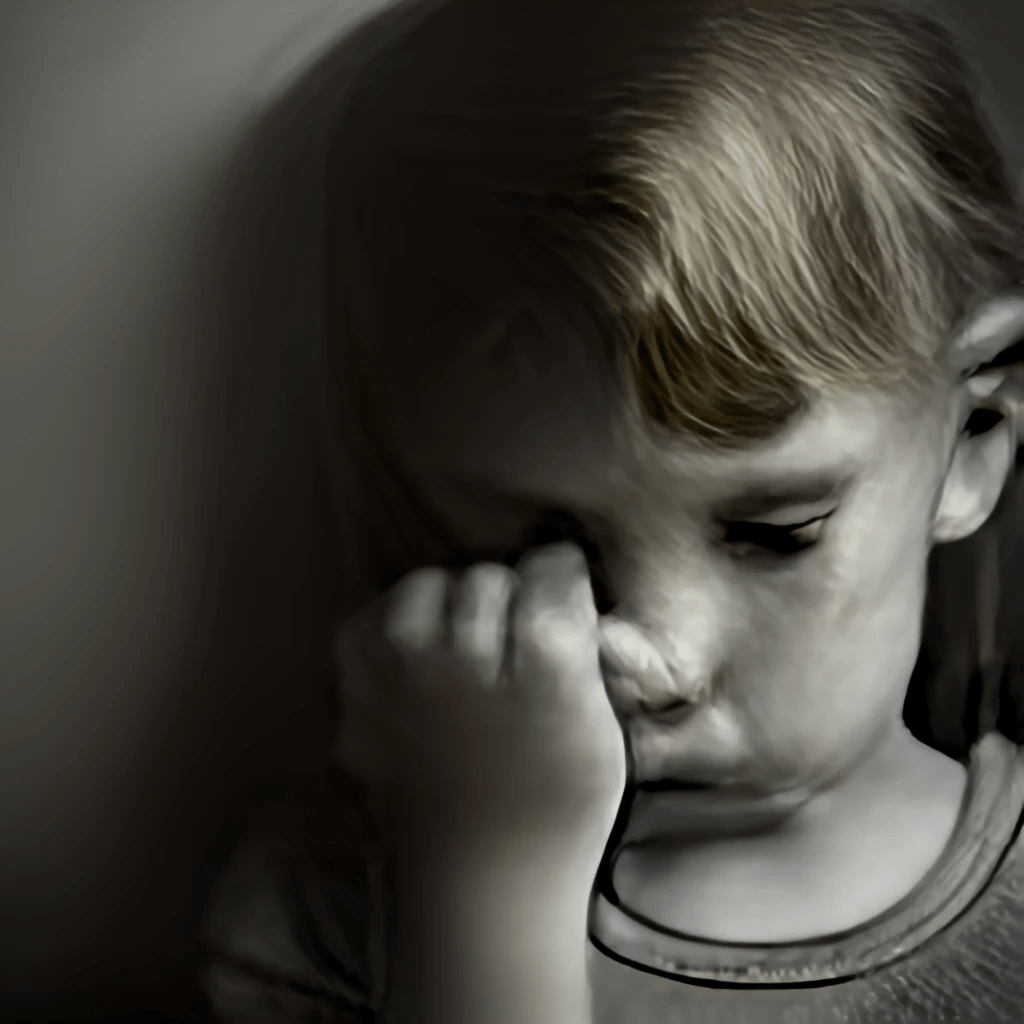
Mental abuse is a serious and often overlooked issue, particularly in vulnerable populations such as cleft patients. Cleft lip and palate are facial deformities that can occur in infants and children, and can have physical, emotional, and social impacts on those affected by them. Unfortunately, mental abuse is not uncommon among cleft patients, and it can have severe and long-lasting consequences on their mental health and well-being.
One form of mental abuse that cleft patients may experience is discrimination. People with cleft lip and palate may face discrimination from others due to their physical appearance, and this can lead to feelings of shame, self-hatred, and low self-esteem. This type of mental abuse can occur in various settings, such as at school, in the workplace, and even within their own families. It is important for parents, caregivers, and educators to be aware of this issue and to take steps to prevent and address discrimination against cleft patients.

Another form of mental abuse that cleft patients may face is bullying. Children with cleft lip and palate may be targeted by their peers due to their physical appearance, and this can lead to feelings of isolation, depression, and anxiety. It is important for parents, caregivers, and educators to be aware of this issue and to take steps to prevent and address bullying against cleft patients. This may include talking to the child about the issue, seeking help from school officials or other authorities, and teaching the child coping skills to help them handle difficult situations.
It is also important for cleft patients to have access to mental health resources and support, as mental abuse can have serious consequences on their mental health and well-being. This may include therapy, support groups, and other forms of mental health treatment. It is also important for cleft patients to have a strong support system of friends, family, and caregivers who can provide emotional support and help them cope with the challenges they may face.
In addition to discrimination and bullying, cleft patients may also experience mental abuse in the form of pressure to conform to certain standards of appearance. Many people with cleft lip and palate undergo multiple surgeries to correct their facial deformities, and there may be pressure from society or even from within their own families to conform to certain standards of appearance. However, there are expert medical professionals, who specialize in the cleft lip and palate, and can help in providing the best possible surgical help in repairing the cleft lip and palate. NGOs such as Smiletrain and ABMSS are providing medical help to those who are seeking cleft lip and palate repair help. Our device, NOSTREAL nostril retainer / nostril conformer can help in post-surgical cleft lip and palate repair by preserving and maintaining the nose’s corrected position following initial lip and nasal correction, producing a noticeably more pleasing cosmetic outcome.
In conclusion, mental abuse is a serious issue that can have significant impacts on cleft patients. It is important for parents, caregivers, educators, and medical professionals to be aware of this issue and to take steps to prevent and address mental abuse against cleft patients. This may include promoting acceptance and inclusion, addressing bullying and discrimination, and providing access to mental health resources and support. By taking these steps, we can help create a more inclusive and supportive environment for cleft patients and ensure that they have the support they need to thrive.
 White Lotus Merchandise